

| Photo | First Name | Last Name | Academic Rank | Field of Study | Research Field | Department | Google Scholar | ORCID | SCOPUS | |
|---|---|---|---|---|---|---|---|---|---|---|
 |
Elham | Maraghi | Assistant Professor | Biostatistics | Structural equation modelling | Department of Biostatistics and Epidemiology | E.Maraghi@gmail.com | Google Scholar | ORCID | SCOPUS |
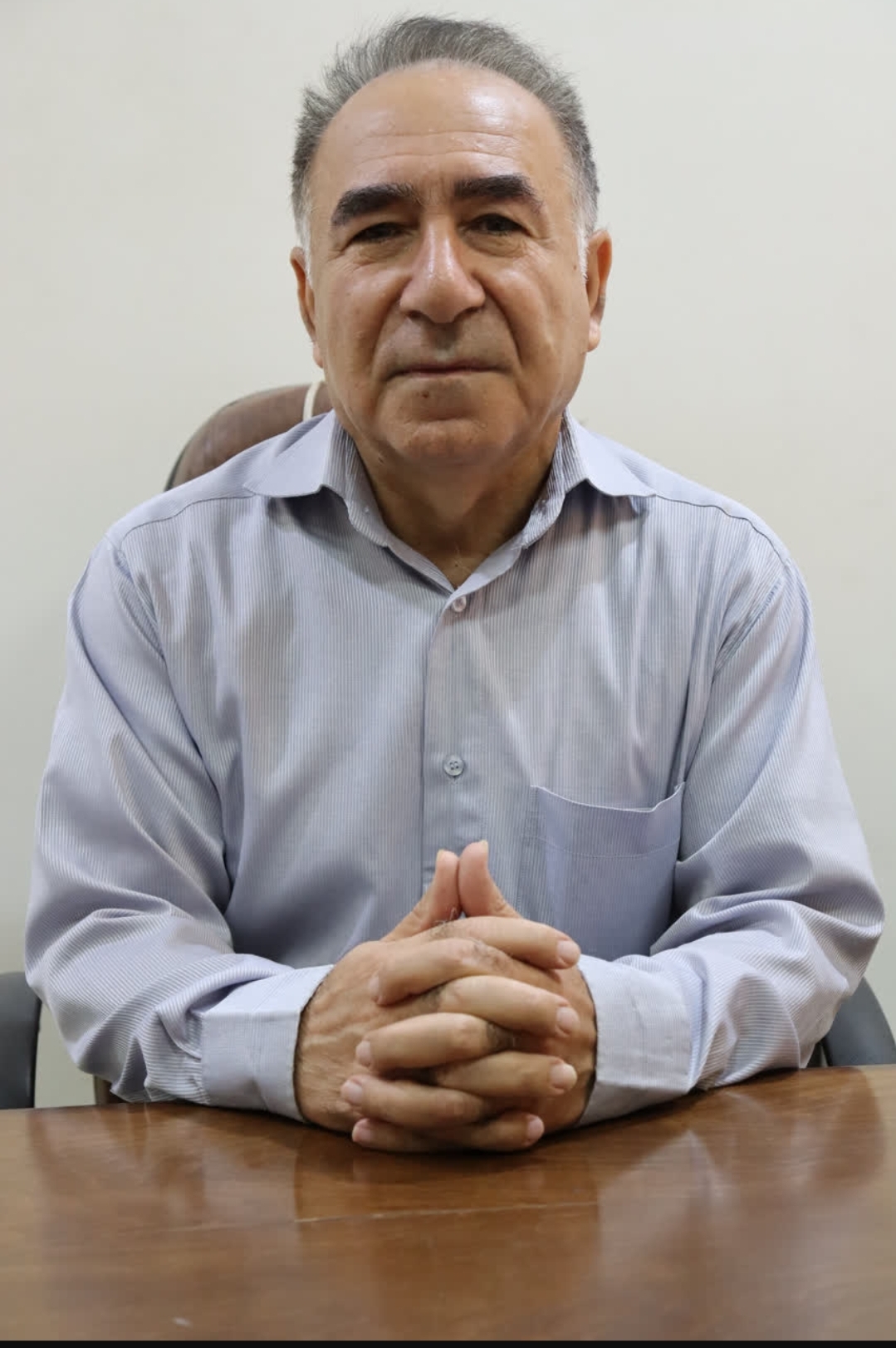 |
Mohammad hosein | Haghighizadeh | Instructor | General statistic | Statistic and epidemiology | Glm | haghighy-mh@mail.ajums.ac.ir | Google Scholar | ORCID | SCOPUS |
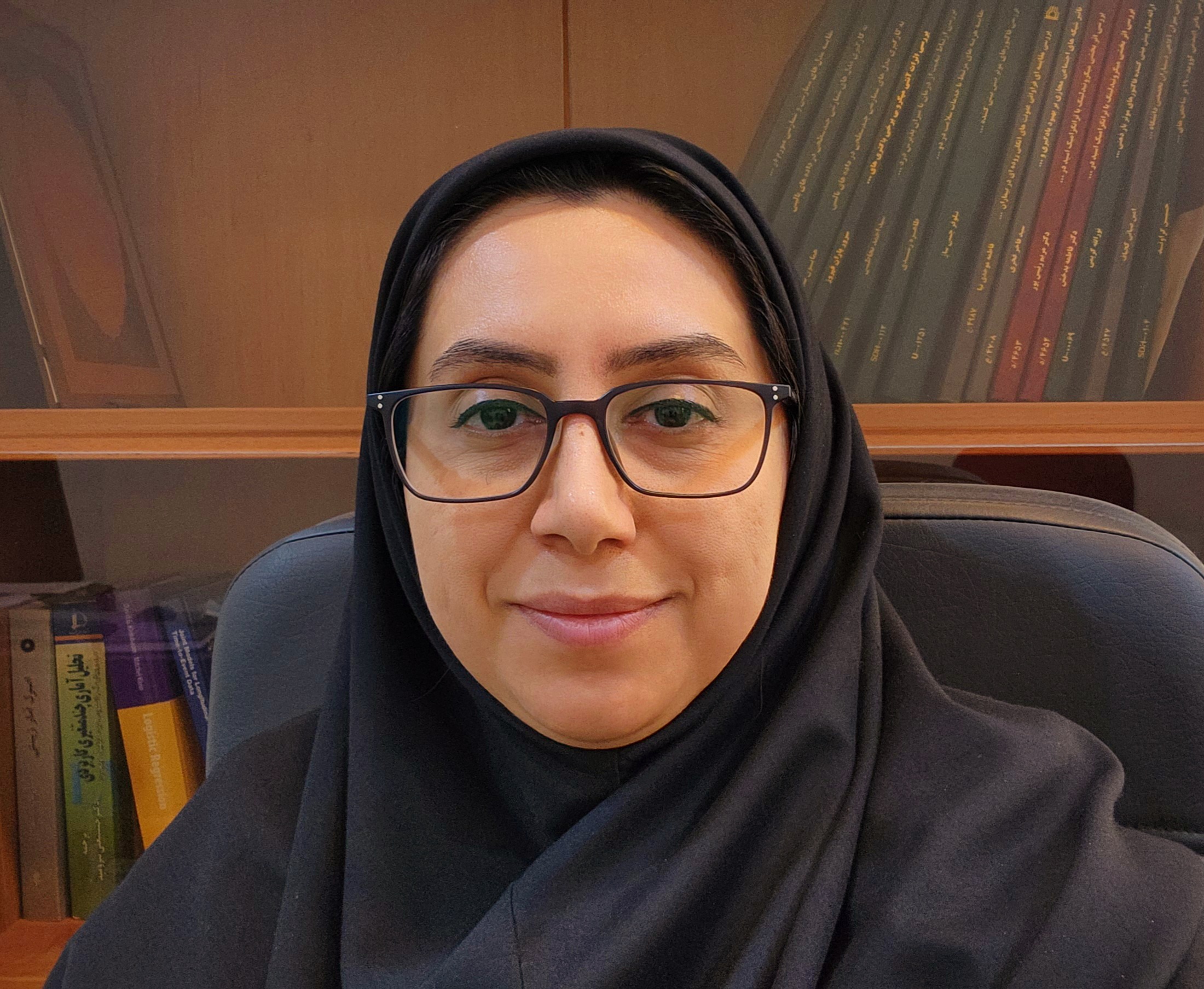 |
Maryam | Seyedtabib | Assistant Professor | Biostatistics | Multi level models, count data, joint models, machine learning, survival models | Biostatistics and Epidemiology | tabib.m@ajums.ac.ir | Google Scholar | ORCID | SCOPUS |
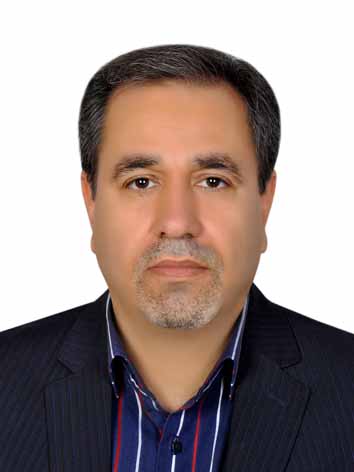 |
Bahman | Cheraghian | Professor | Epidemiology | Medical science | Department of Biostatistics and Epidemiology, School of Health | Cheraghian2000@yahoo.com | Google Scholar | ORCID | SCOPUS |
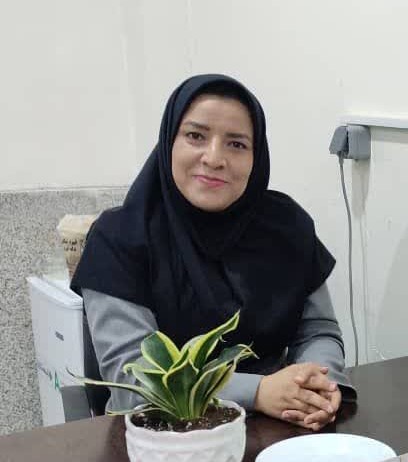 |
Zahra | Rahimi | Assistant Professor | Epidemiology | Medical sciences | Department of Biostatistics and Epidemiology, School of Health | zrahimi57@gmail.com | Google Scholar | ORCID | SCOPUS |
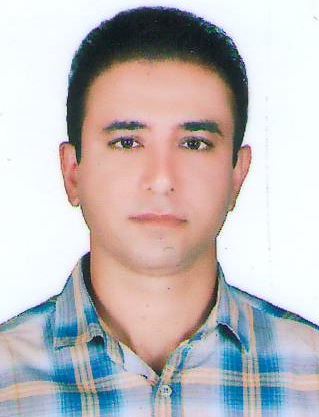 |
Farzad | Khodamoradi | Assistant Professor | Epidemiology | Epidemiology | Statistics and Epidemiology | khodamoradi-f@ajums.ac.ir | Google Scholar | ORCID | SCOPUS |
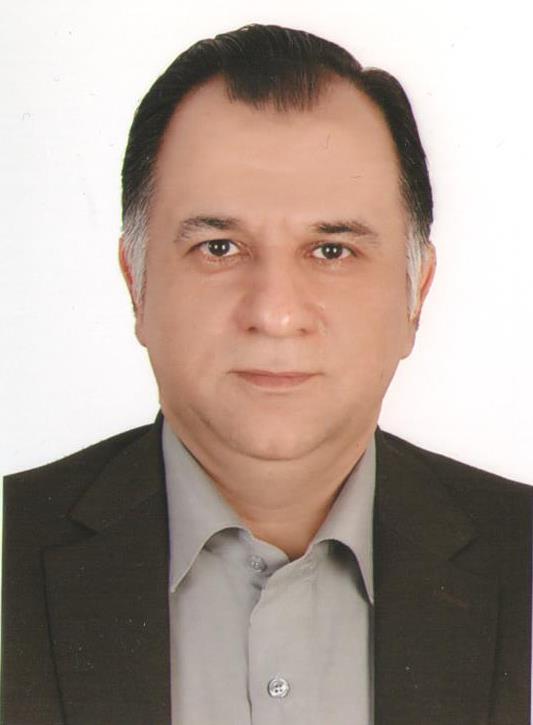 |
Kambiz | Ahmadi-Angali | Associate Professor | Biostatistics | Biostatistics | Biostatistics and Epidemiology, School of Health | angali-k@ajums.ac.ir | Google Scholar | ORCID | SCOPUS |
 |
Maryam | Dastoorpoor | Assistant Professor | Epidemiology | Epidemiology | Biostatistics and Epidemiology, School of Health | dastoorpoor-m@ajums.ac.ir | Google Scholar | ORCID | SCOPUS |
 |
Amal | Saki Malehi | Associate Professor | Biostatistics | Biostatistics | Biostatistics and Epidemiology, School of Health | saki-a@ajums.ac.ir | Google Scholar | ORCID | SCOPUS |
 |
Saeed | Ghanbari | Assistant Professor | Biostatistics | Biostatistics | Biostatistics and Epidemiology, School of Health | ghanbari-s@ajums.ac.ir | Google Scholar | ORCID | SCOPUS |
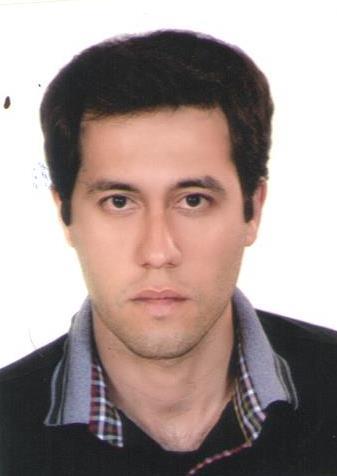 |
Saeed | Hesam | Assistant Professor | Biostatistics | Biostatistics | Biostatistics and Epidemiology, School of Health | hesam-s@ajums.ac.ir | Google Scholar | ORCID | SCOPUS |
The Information Collection Form for All Departments and Majors of Ahvaz Jundishapur University of Medical Sciences
Title of the group:
BioStatistics and Epidemiology
History / Introduction of the group:
The Department of BioStatistics and Epidemiology was established in 2014 to cover the teaching of BioStatistics, research methods and epidemiology courses. Since 2011, in order to educate and train a professional and efficient workforce, students have been admitted to the master's degree in biostatistics. And since 2023, students have been admitted to the master's degree in epidemiology.
Head of Department:
Emails: kzfir@yahoo.com , kzfir@gmail.com , angali_k@ajums.ac.ir
Phones: 09389976104 , 06133112846
Personnel:
- Statistics Department Expert:
Emails: Fatemeh.varshovi1362@gmail.com , f.varshovi@yahoo.com , varshovi.f@ajums.ac.ir
Phones: 09163146150 , 06133112899 - Clerk of Office:
Email: ss.la359@gmail.com
Phones: 09163229358 , 06133115332
International Affairs Liaison:
Emails: kzfir@yahoo.com , kzfir@gmail.com , angali_k@ajums.ac.ir
Phones: 06133112846 , 09389976104
Active Laboratories:
2 laboratories equipped with 18 computers, 1 projector and screen, and 1 television.
Student Statistics:
- Iranian Students: 11
- International Students: -
Contact Information (General):
- Address: Ahvaz - Golestan Boulevard - Esfand St. - Jundishapur University of Medical Sciences – School of Health - Department of BioStatistics and Epidemiology
- Postal code: 6137515751
- Phone number of the School of Health: 06133738315 - 0613378269 - 06133738282
Master of Science (MSc) in Biostatistics - Semester Schedule
First Semester
| Row | Course Name | Theory Credits | Practical Credits | Total Credits |
|---|---|---|---|---|
| 1 | Biostatistician Methods (1) | 2 | - | 2 |
| 2 | Overview of General Medicine | 2 | - | 2 |
| 3 | Principles and methods of Epidemiology | 1.5 | 0.5 | 2 |
| 4 | Principles of Risk Management in Events and Disasters | 1 | 1 | 2 |
| 5 | Statistical inference | 3 | - | 3 |
| 6 | Programming Workshop of R and R-studio | - | - | - |
| Total | 11 | |||
Second Semester
| Row | Course Name | Theory Credits | Practical Credits | Total Credits |
|---|---|---|---|---|
| 1 | Biostatistician Methods (2) | 3 | - | 3 |
| 2 | Designing and Implementation of Biological Studies | 1 | 1 | 2 |
| 3 | Survival Data Analysis in Medical Research | 3 | - | 3 |
| 4 | Data Mining: Principles and Methods or Statistical Simulation | 2 | - | 2 |
| 5 | Systematic Review and Meta-analysis Workshop | - | - | - |
| Total | 10 | |||
Third Semester
| Row | Course Name | Theory Credits | Practical Credits | Total Credits |
|---|---|---|---|---|
| 1 | Biostatistician Methods (3) | 3 | - | 3 |
| 2 | Clinical Trial | 3 | - | 3 |
| 3 | Applied Multivariate analysis | 3 | - | 3 |
| 4 | Computational and Bayesian Statistics in Health sciences | 2 | - | 2 |
| 5 | Python Programming Workshop (Basic) | - | - | - |
| Total | 11 | |||
Fourth Semester
| Row | Course Name | Theory Credits | Practical Credits | Total Credits |
|---|---|---|---|---|
| 1 | Categorical Data Analysis | 2 | - | 2 |
| 2 | Thesis | - | - | 6 |
| Total | 6 | |||
Master of Science (MSc) in Epidemiology
Total Course Credits
- Compensatory: 1
- Core: 18
- Non-core: 6
- Seminar: 2
- Dissertation: 6
- Total: 32
Program Description
The M.Sc. in epidemiology is a branch of basic medical sciences and health that evaluates the individuals and public health by collecting data and its analysis. It identifies their distribution in the society, factors affecting them, and then proposes solutions and evaluates the services provided by the health centers in different levels.
Mission
The recent century has witnessed a major change in the health patterns of the society. The changes in the birth and death patterns, age pyramid, life expectancy and patterns of the prevalent diseases in the society are evident. Changes in the prevalent diseases from infectious diseases such as Tuberculosis and cholera to cardiovascular diseases, cancers and metabolic disorders and causal models of new diseases in addition to the serious attention given to evaluation of environmental factors, work factors and psychological factors have led to development of new interests in this field and provided new grounds for doing research on public health and factors affecting it.
The most important role of an epidemiologist is the analysis of health statistics, monitoring and evaluating the health programs and determining the cost-effectiveness of health plans. An epidemiologist plays an important role in health system by optimizing the costs in different health programs and levels, and also contributing to selection of the best ways in raising the public health, all of which leading to the economic and social development of the society.
Perspective
Graduates of epidemiology enhance epidemiological thinking in the society and in different administrative parts of it. They analyze the public health data and help authorities in data analysis, making evidence-based decision and also drawing their attention to cost-effectiveness. In this regard, they help to produce full and equal access to quality health care services for all members of the community.
They also help by proposing solutions and offering effective preventive measures raising the medical sciences in the country by doing clinical researches with regard to research standards and by raising the quality of the results. It is expected that in the future we would become one of the main centers of decision making and policy making in the field of health and disease in our region and worldwide.
Objectives
The main objective of the program is training human sources in the graduate level in order to provide the related health services in the following fields:
- Teaching and empowerment in identification of the health issues of the society
- Teaching and empowerment in identification of the behavioral patterns and the society’s characteristics in various aspects
- Teaching and empowerment in scientific ways of collecting data
- Teaching and empowerment in monitoring and evaluating of programs and analysis of cost-effectiveness
- Teaching and empowerment in ways of using the statistical methods and computers in data analysis
- Teaching and empowerment in identification of the danger sources and ways of controlling them in different levels of the research
Admission Requirements
Admission requires a B.S. degree in health related sciences from an accredited university.
Expected Competencies & Skills
At the end of the program learners will be competent in the following skills:
- Stating the health related problems in a population and setting priorities
- Developing proposals for doing epidemiological studies
- Designing epidemiological studies
- Implementing epidemiological studies in fields
- Reporting epidemiological evaluations.
Student Assessment (Methods and Types)
- Formative
- Summative
- Comprehensive exam
M.Sc. Thesis Proposal & Defense
Proposal: The thesis proposal describes the rationale for the proposed research and outlines its basic components. The proposal is submitted to the department’s research committee members (consisting of a dissertation advisor, department’s head, and department education and research representatives) for the final evaluation and approval.
Defense: The student and the thesis committee are required to comply with the School of Public Health guidelines with regard to preparation of the thesis and meeting deadlines for graduation. During the thesis defense, the thesis committee will thoroughly examine the student’s knowledge in the content area of the research.
Tables of the Courses
Table 1. Compensatory Courses
| Code | Title of the Course | Credits | Teaching Hours | Prerequisite | ||
|---|---|---|---|---|---|---|
| Theoretical | Practical | Total | ||||
| 01 | Medical Information Dissemination Systems | 1 | 9 | 17 | 26 | - |
| Total | 1 | All students are required to pass these credits in case of lacking credits or requiring compensatory ones. | ||||
Table 2. Core Courses
| Code | Title of the Course | Credits | Teaching Hours | Prerequisite | ||
|---|---|---|---|---|---|---|
| Theoretical | Practical | Total | ||||
| 02 | Epidemiology Basics | 2 | 34 | 34 | 68 | - |
| 03 | Epidemiology Methods | 2 | 34 | 34 | 68 | 02 |
| 04 | Biostatistics Methods 1 | 2 | 34 | 34 | 68 | - |
| 05 | Biostatistics Methods 2 | 2 | 34 | 34 | 68 | 04 |
| 06 | Epidemiology of Contagious Diseases | 2 | 34 | 34 | 68 | 02 |
| 07 | Epidemiology of Non-Contagious Diseases | 2 | 34 | 34 | 68 | 02, 03 |
| 08 | Heath Data Analysis Using Computers | 2 | 17 | 34 | 51 | 04, 05 |
| 09 | Survey Methods of Epidemiology | 2 | 34 | 34 | 68 | 04, 02 |
| 10 | Research Method | 2 | 17 | 34 | 51 | - |
| Total | 18 | |||||
Table 3. Non-Core Courses
The students are required to pass 6 credits from those mentioned below. Choosing non-core credits depends on the student’s interest, dissertation, and the instructors’ opinion.
| Code | Title of the Course | Credits | Teaching Hours | Prerequisite | ||
|---|---|---|---|---|---|---|
| Theoretical | Practical | Total | ||||
| 11 | Survey Methods | 2 | 34 | 34 | 68 | 04 |
| 12 | Non-parametric Survey Methods | 2 | 34 | 34 | 68 | 05 |
| 13 | Epidemiology Modelling | 2 | 34 | 34 | 68 | 02, 03, 04, 05 |
| 14 | Health Economics | 2 | 34 | 34 | 68 | - |
| 15 | Medical Demography | 2 | 34 | 34 | 68 | - |
| 16 | Epidemiology of Non-Contagious Diseases | 2 | 34 | 34 | 68 | 09, 03 |
| 17 | Heath Data Analysis Using Computers | 2 | 34 | 34 | 68 | 02, 03 |
| 18 | Survey Methods of Epidemiology | 2 | 34 | 34 | 68 | 05 |
| 19 | Research Method | 2 | 34 | 34 | 68 | 10, 05, 04, 02 |
| 20 | Genetic Epidemiology | 2 | 34 | 34 | 68 | 02 |
| 21 | Reproductive Epidemiology | 2 | 34 | 34 | 68 | 02 |
| 22 | Principles of Cancer Epidemiology | 2 | 34 | 34 | 68 | 02, 04, 10 |
| 23 | Application of Epidemiology in Health System | 2 | 34 | 34 | 68 | 03, 02 |
| 24 | Internship | 2 | 10 | 10 | - | 02, 04, 10 |
| 25 | Social Epidemiology | 2 | 34 | 34 | 68 | - |
| 26 | Principles of Health Planning and Management | 2 | 34 | 34 | 68 | - |
انتخاب حالت کور رنگی
سرخ کوری سبز کوری آبی کوری سرخ دشوار بینی سبز دشوار بینی آبی دشوار بینی تک رنگ بینی تک رنگ بینی مخروطیتغییر اندازه فونت:
تغییر فاصله بین کلمات:
تغییر فاصله بین خطوط:
تغییر نوع موس:
تغییر نوع موس:
تغییر رنگ ها:
رنگ اصلی:
رنگ دوم:
رنگ سوم: